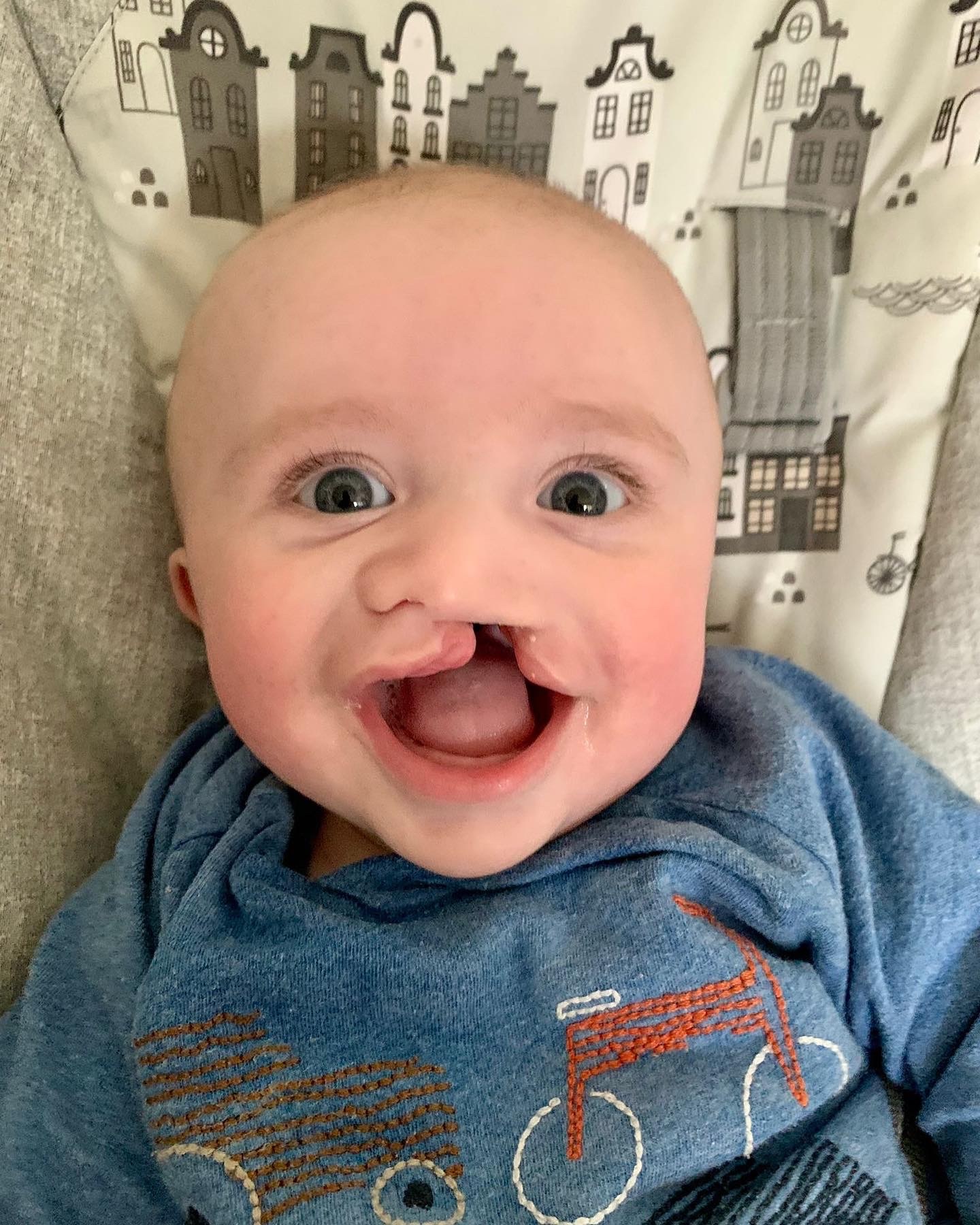
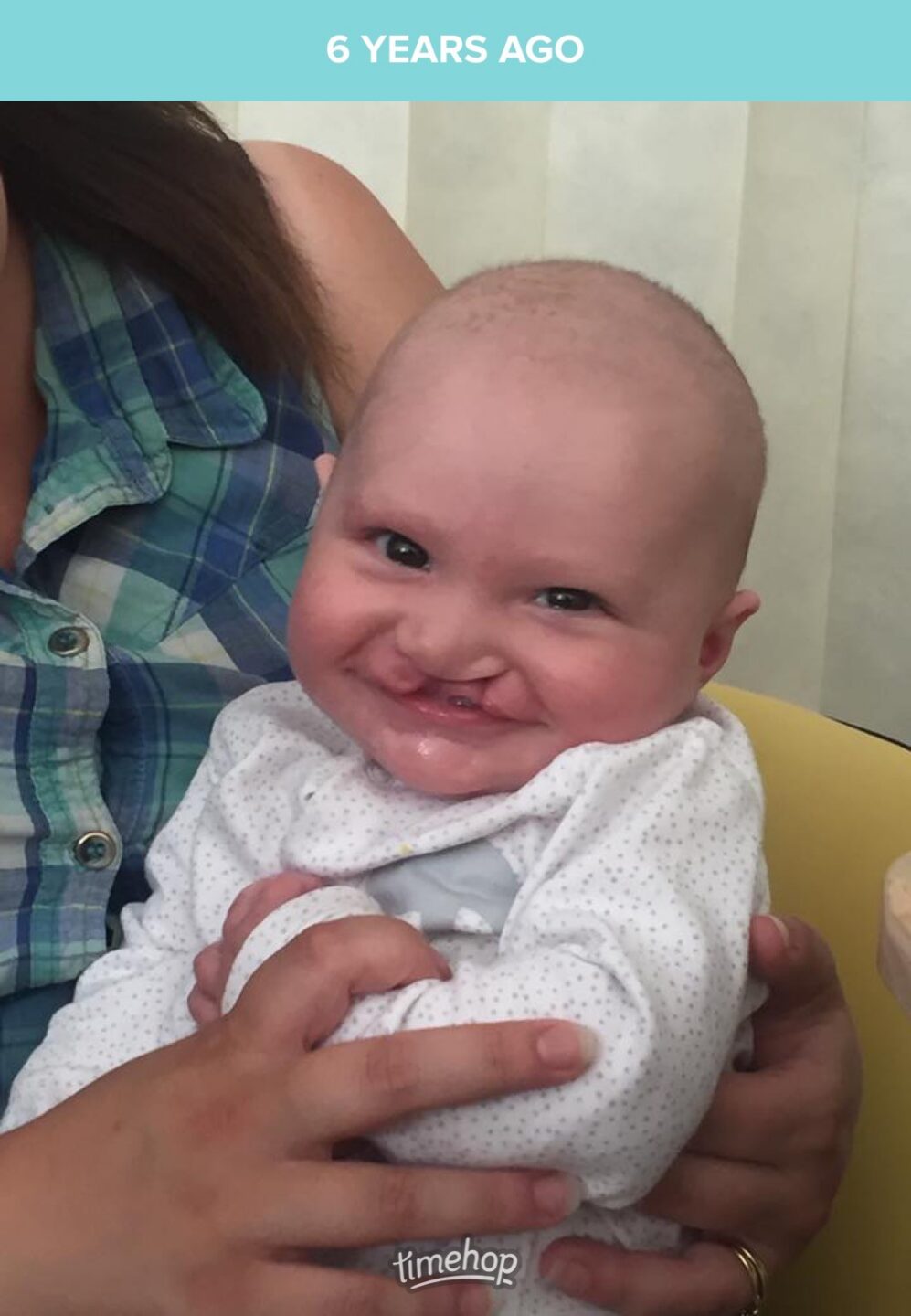
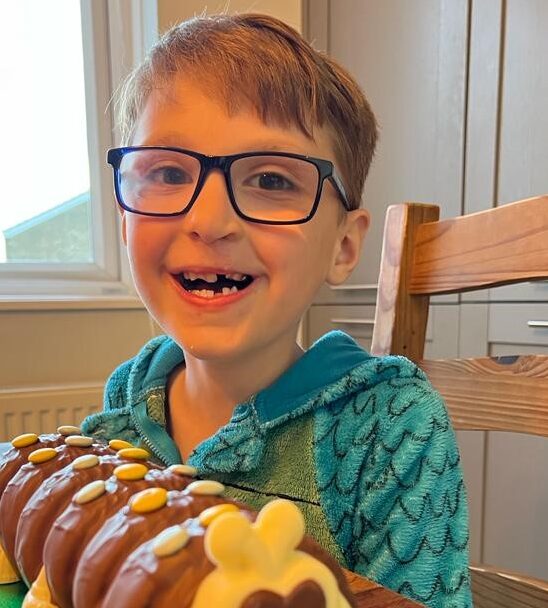
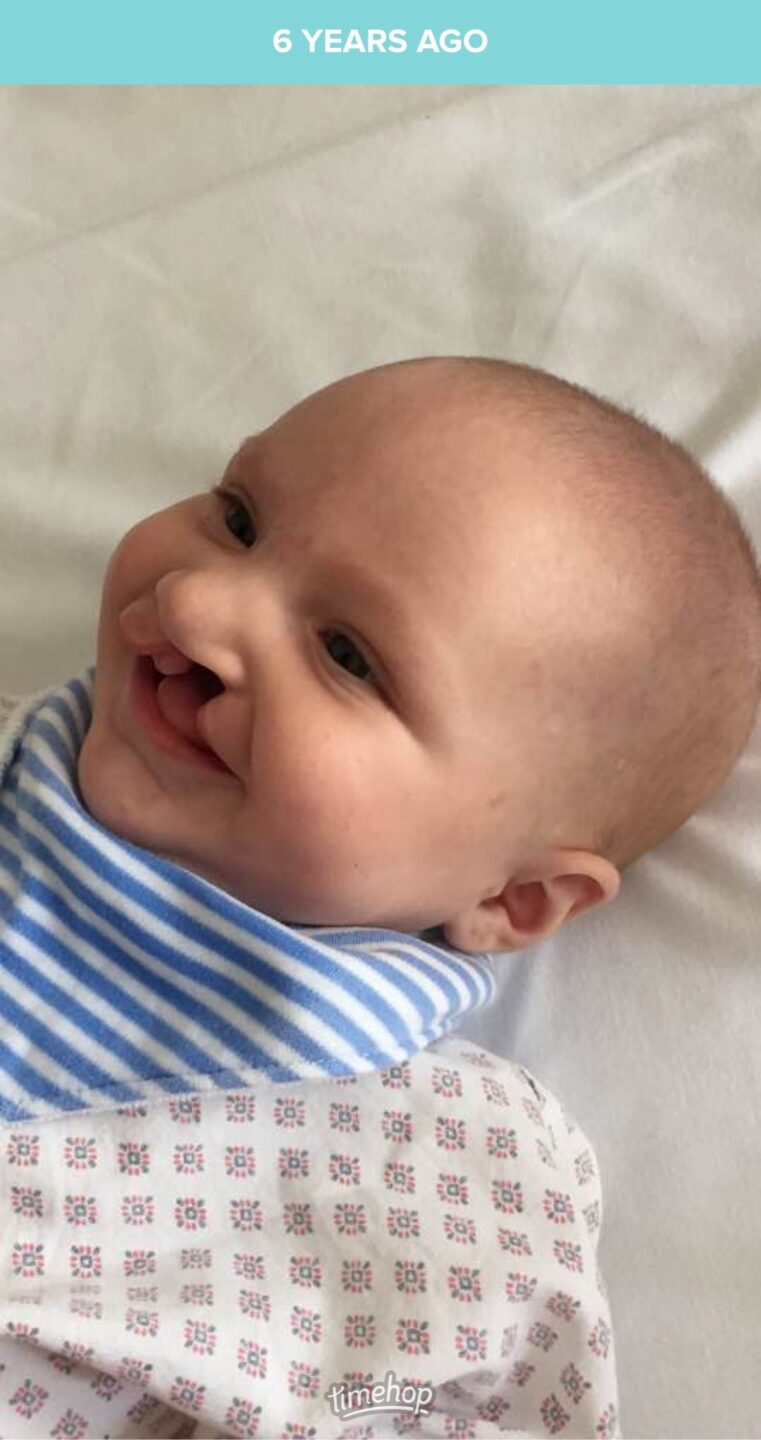
Theo, aged 6, was born with a cleft lip and palate

The cleft treatment timeline

Learn about what happens at each stage of the cleft treatment pathway, from diagnosis through to adulthood, and what support is available.

Learn more

This page gives an overview of the cleft lip and palate treatment pathway in the United Kingdom. It is aimed at parents and carers, but we hope the information is useful to everyone.

The information here is a general guide only. Services and timings may be different from place to place, and the treatment your child needs will be just as unique as they are.

If you have a question about your child’s treatment, your Cleft Team will always have the most helpful, relevant answers.

At any time

Some of the Cleft Team’s services and treatment are available at any time throughout the cleft journey.

Talk to your NHS Cleft Team if you are interested in any of these services.

  • Clinical Psychology: Most Cleft Teams have at least one cleft-specialist Clinical Psychologist who can help you (or your child) talk through any worries or difficult feelings you might have at any point in the treatment pathway. They can help you understand the different options available to you and make sure you feel comfortable and confident with what is happening at each step.
  • Genetic testing or counselling: The causes of cleft are complicated and usually involve many different factors. Genetic testing can help you to understand why your child was born with a cleft and what the chances are of this happening again. Your child can also access this themselves when they grow up. More about genetic testing.
  • Support with questions and concerns: Your Cleft Team is there to help you with any questions or concerns you might have around your child’s cleft. As your child grows up, there may be several years in between ‘check-up’ appointments, but you don’t need to wait for these appointments to raise any concerns.

Antenatal care (before birth)

Most cleft lips are diagnosed before birth at a routine ultrasound scan. If a cleft palate is suspected, this will need to be confirmed after your baby is born.

You should quickly be referred to your local NHS Cleft Team, who will contact you as soon as possible.
  • Your Cleft Nurse Specialist with the Cleft Team will talk you through what to expect. If possible, they will arrange a home visit with you.
  • You may be offered a 3D or 4D ‘bonding’ scan so you can see your baby’s face before they are born.
  • You will usually be invited to meet the full Cleft Team who will be treating your baby and given the chance to ask any questions.
  • Your Cleft Nurse Specialist can talk to your midwife or obstetrics team if they have any concerns about your birth plan following the cleft diagnosis.
  • The Clinical Psychology team with your Cleft Team can support you and your family to work through your feelings around the diagnosis and help you feel ready for what’s coming next.

About antenatal diagnosis

  • Information on antenatal diagnosis, birth, and beyond.
  • Events for new and expectant parents and carers, including a regular Antenatal Support Group
  • Trained ‘Parent Supporter’ volunteers who can help you to talk through your feelings and share their own experiences
  • Free Counselling Service available with little to no waiting list
  • Photo gallery of babies and children at all stages of their cleft journey
  • Parent Support Group on Facebook with over 15k parents and carers throughout the UK
Take each day as it comes. Try not to worry about the future and just enjoy every moment with your beautiful new baby.
Mother to a child born with a cleft

Stories about diagnosis and birth

Newborn (0-3 months)

If your baby’s cleft was diagnosed at birth, you should be referred to your local Cleft Team right away. A Cleft Nurse Specialist from your local Cleft Team will usually visit you in the hospital within 48 hours. It may take longer at weekends or during public holidays.
  • The Cleft Nurse Specialist will carry out a feeding assessment to check your baby’s feeding needs. They will tell you if you need specialist bottles and will show you how to use them. Your Cleft Nurse Specialist will support you through any feeding issues you have once you head home.
  • In some cases, babies might need to use a nasogastric tube (NG tube) to help them feed. This is a thin tube passed through the nose and into the stomach.
  • Your baby will have all the usual newborn checks, including a hearing screen. A cleft palate can affect hearing, so if necessary your Cleft Team will talk to you about managing this.
  • Sometimes a cleft is caused by a syndrome or other condition. Your Cleft Team will monitor your baby for any signs of common syndromes or conditions and let you know if further testing is needed.
  • The Clinical Psychology team with your Cleft Team can support you and your family to work through any difficult feelings you might have after your child’s birth. This is available throughout the whole treatment pathway.

More about postnatal diagnosis

Photo Gallery

Visit CLAPA's photo gallery of babies and children born with a cleft before and after their operations. New photos are added regularly.
Photo Gallery: Babies and children

Cleft Lip Repair Operation (3-6 months)

If your baby has a cleft lip, they will need an operation to repair the cleft when they are around three months old. The exact timing and other details of the operation will depend on your baby’s needs.
  • Your Cleft Team will explain things to you in detail at your pre-operative appointment. They will be happy to answer any questions you may have, and it’s a good idea to write these down beforehand.
  • Your baby will be assessed to make sure they are fit and healthy enough for the operation.
  • You will be given expert advice on feeding and looking after your baby after their operation.
  • A cleft can make it more difficult to keep your baby’s teeth clean. You’ll be given advice to help you make sure your baby’s teeth and gums are kept strong and healthy as they grow up.

More about cleft repair operations

  • Information on cleft repair operations and more.
  • Events for new parents and carers, including regular support groups on topics like ‘surgery’ and ‘feeding’.
  • Trained ‘Parent Supporter’ volunteers who can help you to talk through your feelings and share their own experiences
  • Free Counselling Service available with little to no waiting list.
  • Photo gallery of babies and children at all stages of their cleft journey
  • Parent Support Group on Facebook with over 15k parents and carers throughout the UK

Cleft Palate Repair Operation (6-12 months)

If your baby has a cleft palate, they will need an operation when they’re 6-12 months old to repair it. The exact timing and other details of the operation will depend on your baby’s needs.
  • Your Cleft Team will explain things to you in detail at your pre-operative appointment. They will be happy to answer any questions you may have, and it’s a good idea to write these down beforehand.
  • Your baby will be assessed to make sure they are fit and healthy enough for the operation.
  • You will be given expert advice on feeding and looking after your baby after their operation.
  • An extra hearing test will be offered at 7-10 months for babies with a cleft palate. Your child with then have annual hearing tests for at least five years.

More about cleft repair operations

  • Information on cleft repair operations and more.
  • Events for new parents and carers, including regular support groups on topics like ‘surgery’ and ‘feeding’.
  • Trained ‘Parent Supporter’ volunteers who can help you to talk through your feelings and share their own experiences
  • Free Counselling Service available with little to no waiting list.
  • Parent Support Group on Facebook with over 15k parents and carers throughout the UK

Early years (12 months – 5 years)

The assessment and treatment your child needs at this time will depend on the kind of cleft they have and how it’s impacting them.

The main concerns at this time are speech, hearing, and ensuring their teeth are strong and healthy.

You will probably see less of your Cleft Team than you did for the first 18 months of your child’s life. You don’t need to wait for scheduled check ups to ask questions or raise concerns; you can get in touch with them at any time for expert advice and information.
  • Support with teeth
    • A cleft can make it harder to keep your child’s teeth clean. Healthy teeth and gums are important for everyone, but they’re especially important for children born with a cleft who might need orthodontic work when they grow up.
    • The paediatric dentist with your Cleft Team will give you expert advice on keeping your child’s teeth clean and free from cavities.
    • Your child should have regular appointments with a local dentist to make sure any issues are dealt with as soon as possible.
  • Support with speech
    • When your child is around 18 months old, they will have their speech and language development assessed by the Cleft Team. Speech and Language Therapy (SLT) might be offered at this point, or the team may take a ‘wait and see’ approach.
    • Another speech assessment will happen at around three years old, and Speech and Language Therapy (SLT) will be offered if needed.
    • Speech and Language Therapy (SLT) is usually provided by local practitioners in consultation with your Cleft Team. They will work together to help ensure your child can be easily understood by the time they start school.
    • Some children will need one or more operations to help with their speech at this time.
  • Support with hearing
    • A cleft palate can affect hearing and make issues like Glue Ear more likely. Because these can come and go, your child will need regular hearing assessments. You should also alert the Cleft Team or your local audiologist if you suspect they are having any hearing issues.
    • Your child may need grommets or hearing aids to help with their hearing. The Cleft Team will talk to you about these options and together you can decide which is best for your child and your family. If grommets are needed, these are usually put in during another operation to reduce the number of times your child has general anaesthetic.
  • Five-year assessment
    • Your child will have a full assessment with the Cleft Team when they are five years old. At this appointment, they will check how your child is developing and make sure any new or existing issues are being dealt with appropriately.
  • Information on speech, hearing, dental health, operations and more.
  • Events for new parents and carers, including regular support groups on topics like ‘surgery’ and ‘feeding’.
  • Trained ‘Parent Supporter’ volunteers who can help you to talk through your feelings and share their own experiences
  • Free Counselling Service available with little to no waiting list.
  • Parent Support Group on Facebook with over 15k parents and carers throughout the UK

Primary school years (6-11 years)

The treatment your child will need while they're in Primary School depends on the kind of cleft they have and how it’s impacting them.

The main concerns at this time are speech, hearing, and ensuring their teeth are strong and healthy.
  • A cleft can make it harder to keep teeth clean. Your child needs to have regular appointments and cleanings with a local dentist to ensure their teeth and gums are strong and healthy.
  • An orthodontist will monitor the position of your child’s teeth, including their adult teeth when they start to come through. Treatment may be needed to correct their position, which often includes fitting braces.
  • Speech and hearing will be regularly checked for children born with a cleft palate and treatment provided. If your child needs ongoing Speech and Language Therapy (SLT), this will often be provided locally, or even through your child’s school.
  • Psychological Support for families is available before school transitions or to help with any issues such as bullying or self-confidence.
  • Full assessment by Cleft Team at age 10, including for orthodontic treatment.

Support for parents and families

Support for children

The Alveolar Bone Graft (ABG) (8-11 years old)

If your child’s cleft affects the bone in their gum (alveolus), they may need an operation to fill the gap so that their adult teeth can come through properly.
  • Your Cleft Team will advise if they think your child needs this operation. They may need to have dental x-rays and other assessments
  • This operation happens after the baby teeth in the cleft area are lost, but before the adult teeth come through, usually around 8-12 years old. The timing and other details will be unique to each child.
  • Your child will need regular appointments with the Orthodontist with the Cleft Team to prepare their teeth and mouth for the operation.
  • This operation involves taking some bone from inside the hip and grafting it into the gap left by their cleft. This gives support for their adult teeth and makes the upper jaw more stable. It will also help to make sure their teeth in this area can be moved into a better position by their Orthodontist.

Secondary school (12-16 years old)

As your child grows up, the treatment they will receive depends on their needs and wishes.

By supporting and empowering your child to make their own decisions about their cleft treatment, you will help them grow into an adult who can confidently get the treatment and support they may need in the future.
  • Ongoing orthodontic treatment as needed (which might include braces) to make sure your child’s teeth are in the right place, as well as dental care to keep your child’s teeth and gums healthy.
  • Ongoing treatment for speech and hearing issues as needed.
  • Depending on your child’s needs, extra operations might be offered to help with concerns with breathing, speaking, teeth placement, appearance, and more. These will depend on how your child’s face is growing, what might be bothering them, and other factors.
  • Psychological support is available for families and young people to help with concerns related to their cleft.

Appointments with the full Cleft Team

  • Your child may have an assessment by the full Cleft Team at around 15 years old. Unlike previous appointments where the Cleft Team may have spoken to parents/carers, in this appointment they will want to speak mostly to your child. Some young people can find it intimidating to talk to so many medical professionals at once. You can help them prepare for the appointment by explaining who the different medical professionals are and writing down any questions they want to ask in advance.
  • Your Cleft Team will talk to you and your child about what to expect as they approach adulthood, including when they expect your child to be discharged from the Cleft Team’s care.

Young adulthood (16-20 years old)

Unless further treatment is planned, your child will usually be discharged from the Cleft Team between 16-20 years old. This will include a final discharge appointment.
Treatment at this time is entirely optional and depends on your child’s needs and what may be bothering them.

Operation to realign the jaws(‘osteotomy’ or ‘orthognathic surgery’)

  • If your child has an underbite (where their bottom jaw comes out further than their top jaw), they may be offered an operation to help with this.
  • This operation can ‘realign’ the upper and lower jaws and help with someone’s ‘bite’ when regular orthodontic work (like braces) can’t do this. It can also change the shape of the face, especially if your child is concerned about having a ‘flat’ profile.
  • This will only be considered after their face has stopped growing, usually at 16-18 years old, and it can be performed later in adulthood if preferred.
  • This is a major operation which involves a lot of planning, assessment, preparation, and a long recovery time. If your child is offered this operation, the Cleft Team will explain in detail what will happen and what is required so they can make an informed decision.

Other operations

Other operations might be required or requested for many different reasons. These might include:

  • Changing the shape of the nose to help with appearance and breathing concerns (‘rhinoplasty’)
  • Changing the position of teeth or dealing with dental issues
  • Changing the shape of the upper lip or changing the appearance of a lip scar (‘lip revision’)
  • Changing the shape or position of the palate to help with speech, or closing any small holes that may have opened in the palate (palatal fistulae)

The Cleft Team will talk to your child during check-ups to make sure they are aware of any concerns your child has and will recommend treatment as appropriate. They should also explain if any operations need to be done soon or if your child can wait until they are older.

Adulthood (21+)

Cleft is a lifelong condition, and treatment and support are available for everyone born with a cleft throughout their lives.

If adult patients have been discharged from the Cleft Team, they will usually need to get a referral from their GP or dentist to access the Cleft Team again.

Cleft treatment in adulthood might include:

More support for adults

Support Services

CLAPA has a range of support services, information and other resources for people born with a cleft and their families.

For teenagers and young people

CLAPA’s children and young people’s service aims to help you to connect and make friends, become more confident and feel more positive about your cleft.

A man wears a leather jacket and is sat on a stool. He is looking up and smiling. He has a repaired cleft

For adults born with a cleft

Around 70,000 adults in the UK alone were born with a cleft. Find support and resources from CLAPA, the NHS, and other organisations, as well as information to help you get back into cleft treatment.
Your Stories

Read stories from the UK cleft community covering everything from birth and diagnosis through to returning to treatment as an adult.

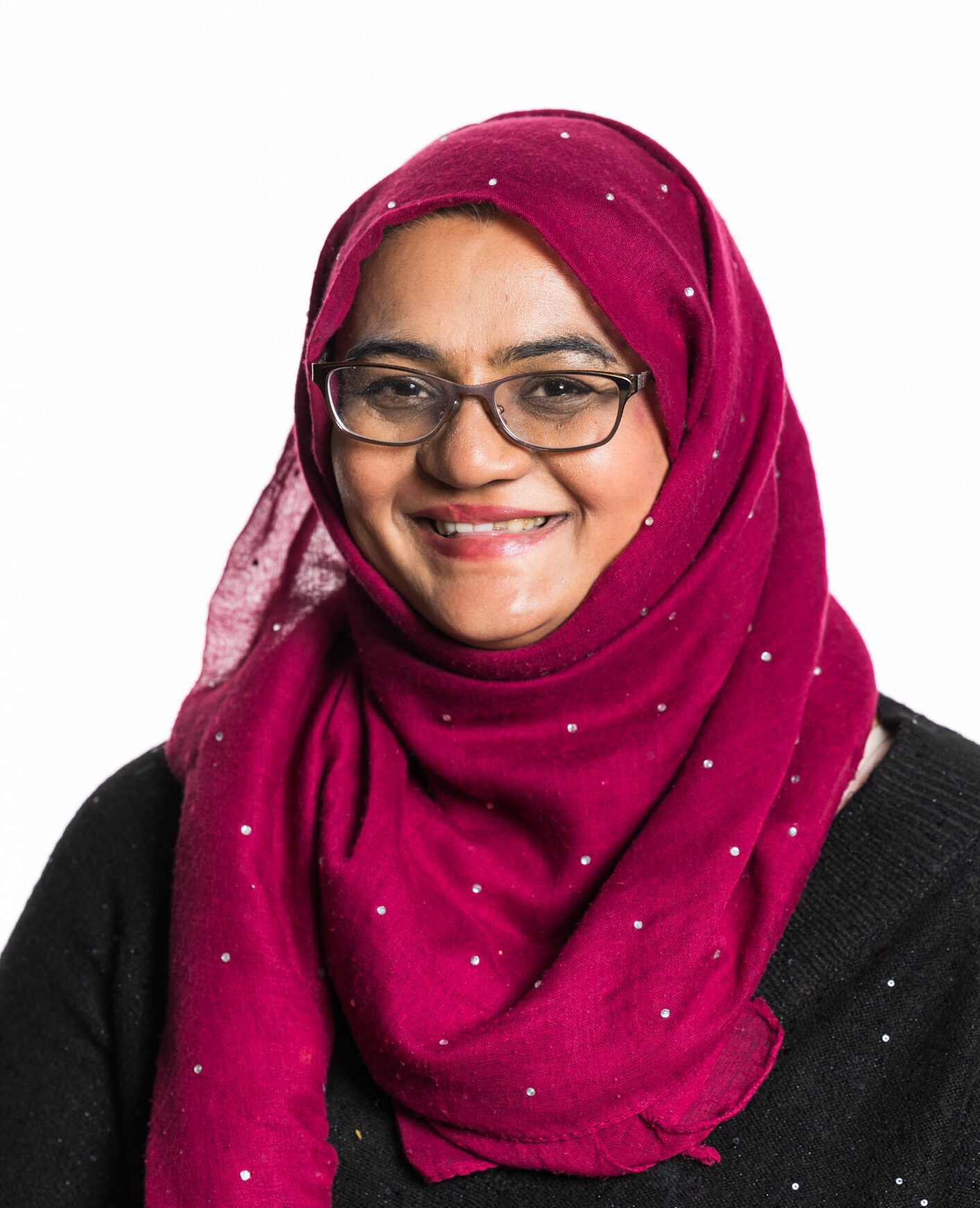
Naz’s story

Naz shares how joining CLAPA has made a huge difference to her confidence.
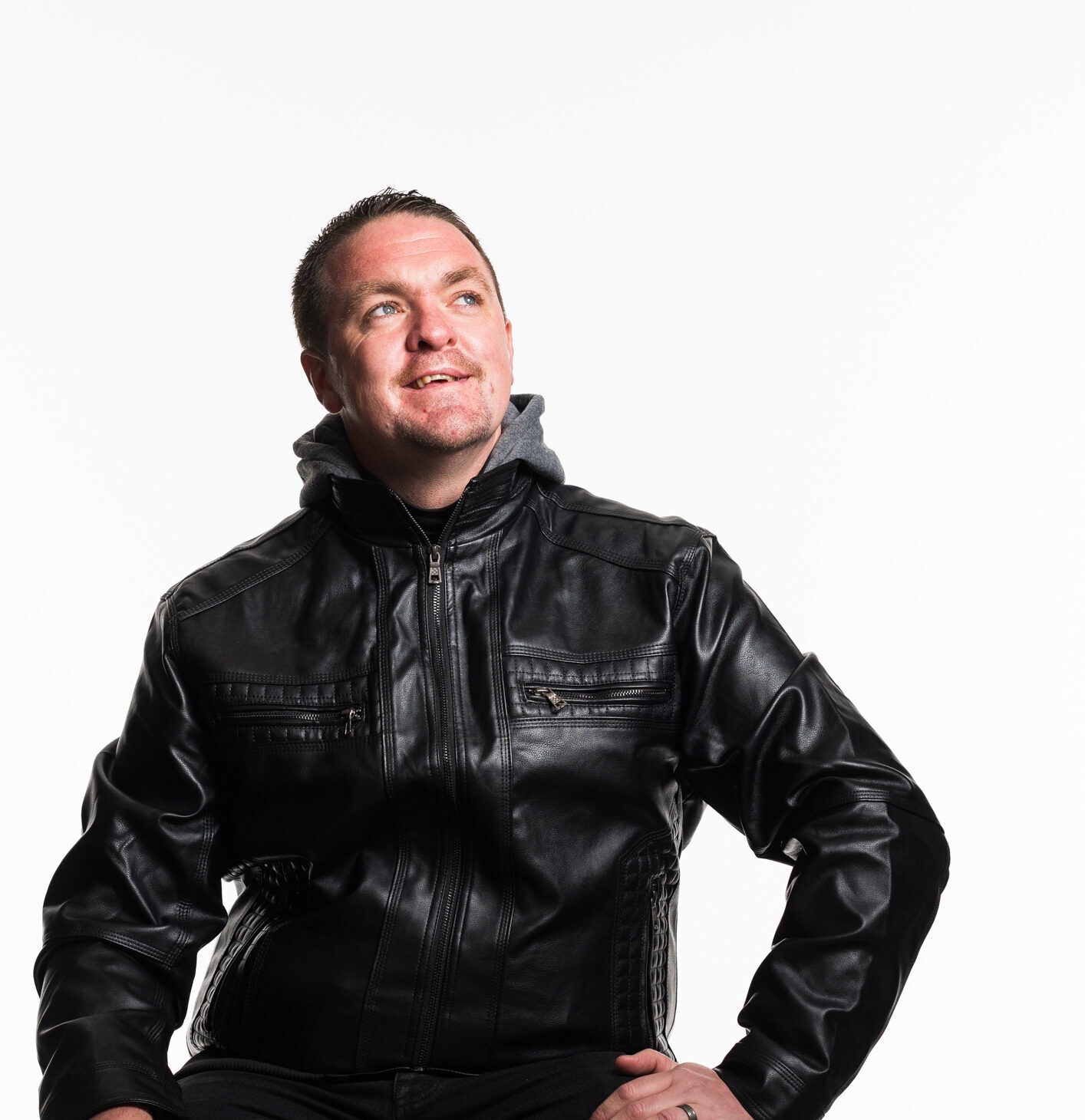
Billy’s story

Billy tells his story of growing up in the 90s with cleft, and finding CLAPA as an adult.