
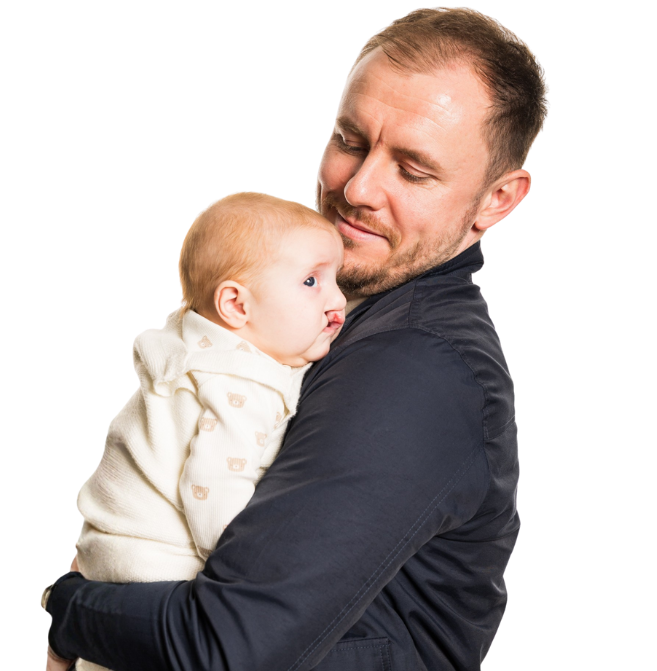
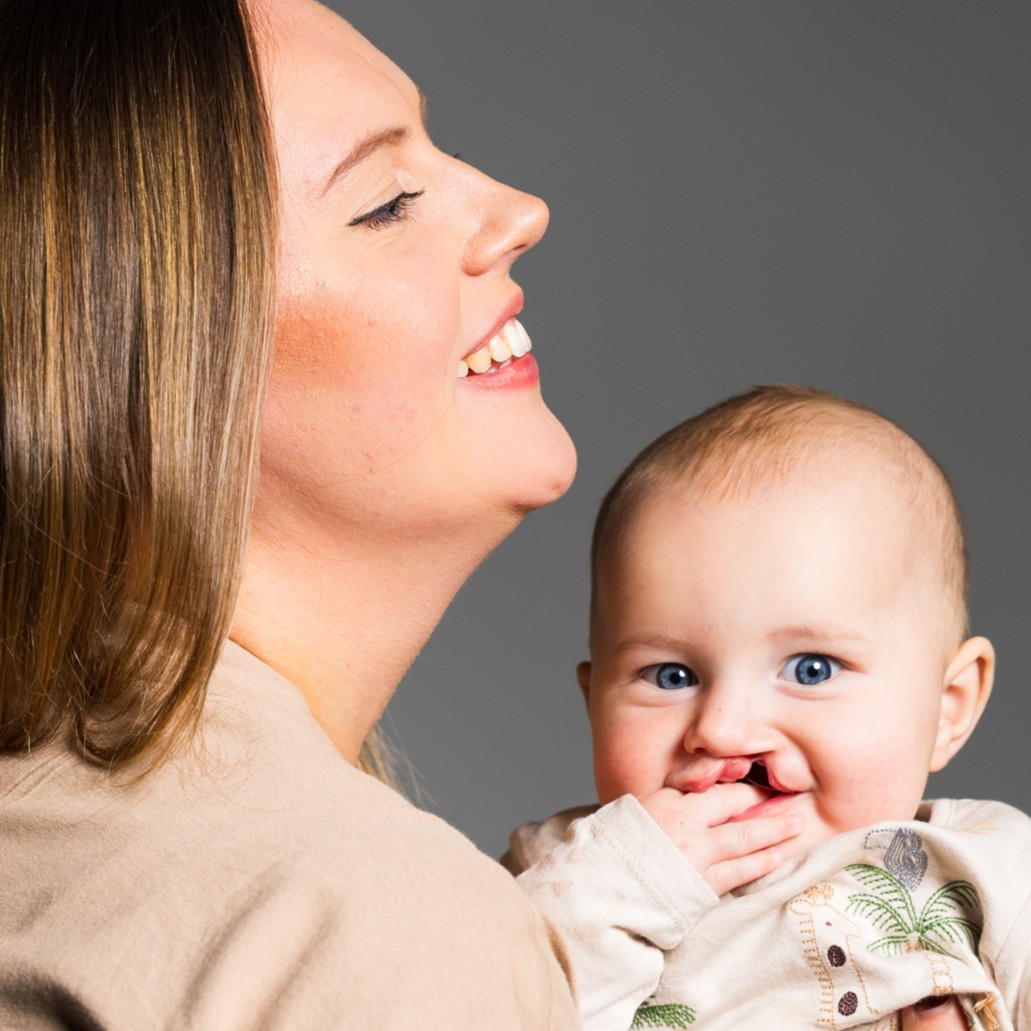


This page gives a basic overview of how cleft lip and palate is treated in the United Kingdom and where to get more information and support. Click here for a full treatment timeline.
Who provides treatment for cleft lip and palate in the United Kingdom?
Comprehensive medical treatment is provided by NHS Cleft Teams. These are teams of cleft specialists, including plastic surgeons, nurses, psychologists, dentists and more, who are all dedicated to caring for people born with a cleft throughout their lives.
Learn more about the NHS cleft lip and palate service
CLAPA also provides support for people born with a cleft and their families from diagnosis through to adulthood. Learn more about the dedicated support available for parents and families, teenagers and young people, and adults born with a cleft, or read on to see what’s available at each stage.
What treatment is available?
Babies born with a cleft will need at least one operation to close their cleft.
Usually, a cleft lip will be repaired at 3-6 months, while a cleft palate will be repaired at 6-12 months.
Depending on the kind of cleft someone is born with and how it affects them, they may have more operations as they grow up. These can help with things like:
- Speech: a cleft palate can affect someone’s speech, and sometimes speech therapy alone isn’t enough to help with this.
- Teeth: a cleft which goes through the gums might cause missing or misshapen teeth.
- Children may need an Alveolar Bone Graft when they are 7-12 years old to make sure their adult teeth come through properly.
- When the face stops growing (16-18 years old), young people may be offered jaw surgery to help with their ‘bite’.
- Other procedures could include restorative dentistry such as implants or bridges.
- Appearance: Operations to change the shape of the nose, lips, or the appearance of a lip scar may be offered. These might also help with breathing.
Some people born with a cleft will only need one operation when they are a baby. Others will have many more as they grow up and into adulthood.
Your soft palate (the bit towards the back of the throat) is part of the mechanism that blocks off your mouth from your nose while you make certain sounds.
A cleft palate can make speech sound nasal or make some sounds unclear, especially consonants like t, b and d.
Children with a cleft palate may need some form of Speech and Language Therapy to help them speak clearly.
Usually an assessment is carried out with the Cleft Team and if treatment is needed, it is carried out by local providers. Local treatment may be given individually or in a group depending on what is needed and what is available in the area.
In some cases, Speech and Language Therapy alone won’t be enough to help with some speech issues. If this happens, the Cleft Team might recommend one or more operations to improve how the palate functions.
The goal is for children to have clear, intelligible (understandable) speech by the age of five so they can start school with confidence.
Treatment can be also available to adults with speech concerns.
Many children with a cleft palate will have issues with their hearing, more specifically ‘glue ear’, which can be recurring.
It can be treated using grommets or hearing aids.
This usually clears up by the time they are 6-8 years old, but will affect children in different ways as they grow up, and some children will have long-term issues.
These issues can develop gradually, so it’s important for parents and carers to be on the lookout for changes in their child’s hearing and make sure they get the treatment they need.
People born with a cleft can have a higher risk of tooth decay due to the placement or shape of some of their teeth. They may need extra attention from a dentist to keep their teeth and gums strong and healthy. Parents need to take extra care to maintain good dental health in children.
If a cleft affects the gum, children will usually need some kind of orthodontic treatment such as wearing braces or a retainer. They may need an Alveolar Bone Graft operation to help their adult teeth to come through properly.
For adults, dental and orthodontic work for issues caused by a cleft should be available on the NHS at the usual rates. You should not have to pay extra for private dental treatment if it is something which is necessary. You may also be able to get specialist assessment and treatment from an NHS Cleft Team. Learn more.
Clinical Psychologists work in or with many Cleft Teams to support individuals and families affected by cleft lip and palate. You can ask for an appointment from diagnosis right through until adulthood.
You don’t need to have a ‘psychological problem’ to see the Psychology team, they are there to talk as and when you need them. Through meeting with families and individuals they try to find out if more support is needed.
Some of the reasons you might see a Clinical Psychologist from your Cleft Team include:
- Talking to someone about worries you have about your or your child’s treatment
- Help making decisions about treatment
- Extra support during times of change, like starting school or moving into secondary school
- You and/or your family have trouble talking about or coming to terms with a cleft lip and/or palate
- Problems with bullying or teasing
- Building confidence and self-esteem
- Coping with things that can’t be changed or ‘fixed’ with surgery
- Help to come up with coping strategies for things like staring or comments
Clinical Psychologists with Cleft Teams are specialists who understand the specific issues which can face people affected by cleft lip and/or palate.
Appointments usually happen at the Cleft Centre, but further treatment and support, if necessary, often happens using local services.
Cleft is a complicated condition, and we don’t fully understand how it is caused. What we do know is that it’s usually caused by a mix of many different genetic and environmental factors.
Genetic counselling provides support, information and advice about genetic conditions. You can have genetic counselling through your NHS Cleft Team which can help you to understand if and how genetics played a part in your or your child’s cleft.
This can help you to understand the chances of passing on a cleft to any future children.
You can ask for this from your Cleft Team at any time during the treatment pathway. You do not need to be thinking about having children to ask for genetic testing.
The cleft treatment pathway
The treatment you or your child will need will depend on the type of cleft and many other factors. Your Cleft Team will be able to give you tailored advice on what to expect at each stage.
You can access these services from your Cleft Team at any time during the treatment pathway
- Psychological support
- Genetic testing
CLAPA also has comprehensive support and information for the entire cleft treatment pathway aimed at parents and families, teenagers and young people, and adults born with a cleft.
- Referral to your local NHS Cleft Team and support from your Cleft Nurse
- Information and support from CLAPA
- Feeding assessment and support with feeding your baby
- Meeting the full Cleft Team
- Special bottles and teats from CLAPA (including a free ‘Welcome Pack‘)
- Information and support from CLAPA
- Cleft lip repair operation
- Ongoing support with feeding, including advice on weaning
- Cleft palate repair operation
- Ongoing support with feeding, including advice on weaning
- Specialist advice on keeping teeth and gums healthy
- Hearing assessments and treatment as needed
- Speech assessments and treatment as needed
- Assessment by the full Cleft Team at five years old
- Speech and hearing checks and treatment as needed
- Alveolar Bone Graft assessment and operation if needed (for clefts affecting gums)
- Orthodontic assessment and treatment as needed
- Assessment by the full Cleft Team at ten years old
- Ongoing treatment and support as appropriate. This may include orthodontic work, psychological support, or whatever else is needed
- Assessment by the full Cleft Team at around 15 years old
Optional operations may be offered to help with a range of concerns, like the position of teeth, alignment of the jaws, shape of the nose and lip, or to help with speech. Many of these can happen later in adulthood if preferred.
Young people will be discharged from the Cleft Team’s care once no further treatment is planned
Adults born with a cleft can return to get specialist assessment and treatment from the NHS Cleft Teams at any time for any issues to do with their cleft.
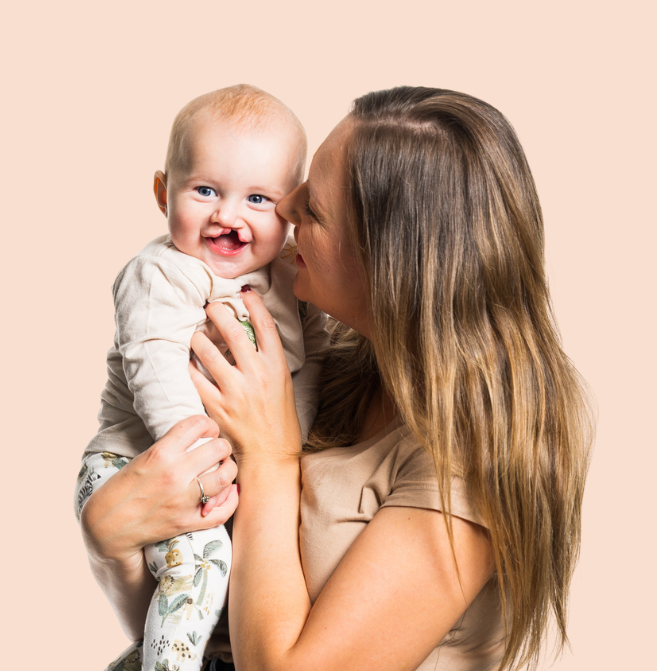
Cleft treatment timeline
A summary of the cleft treatment pathway, from diagnosis through to adulthood.
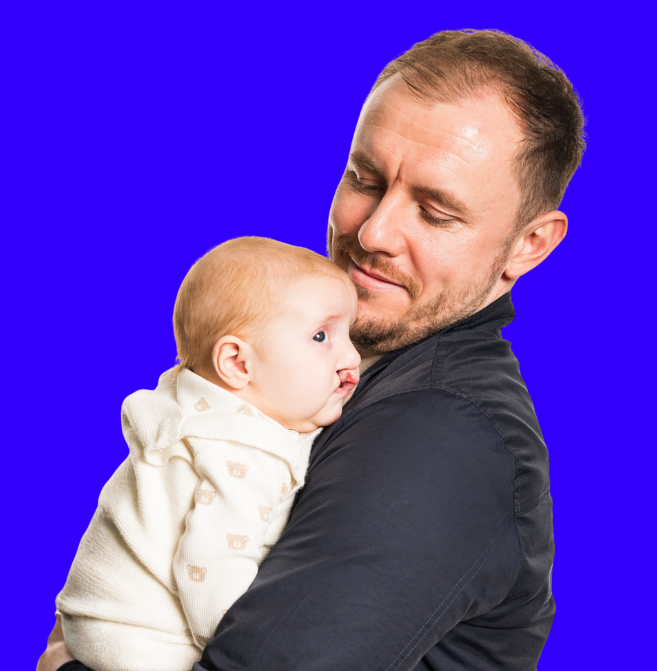
Cleft repair operations
All about cleft lip and cleft palate repair operations, including top tips from other parents and carers, how to prepare for your baby going into hospital, and frequently asked questions.

Cleft and speech
How does a cleft lip and palate affect speech? What treatment is available for children with speech issues caused by a cleft?